Science-Backed Rehab. Performance-Driven Results.
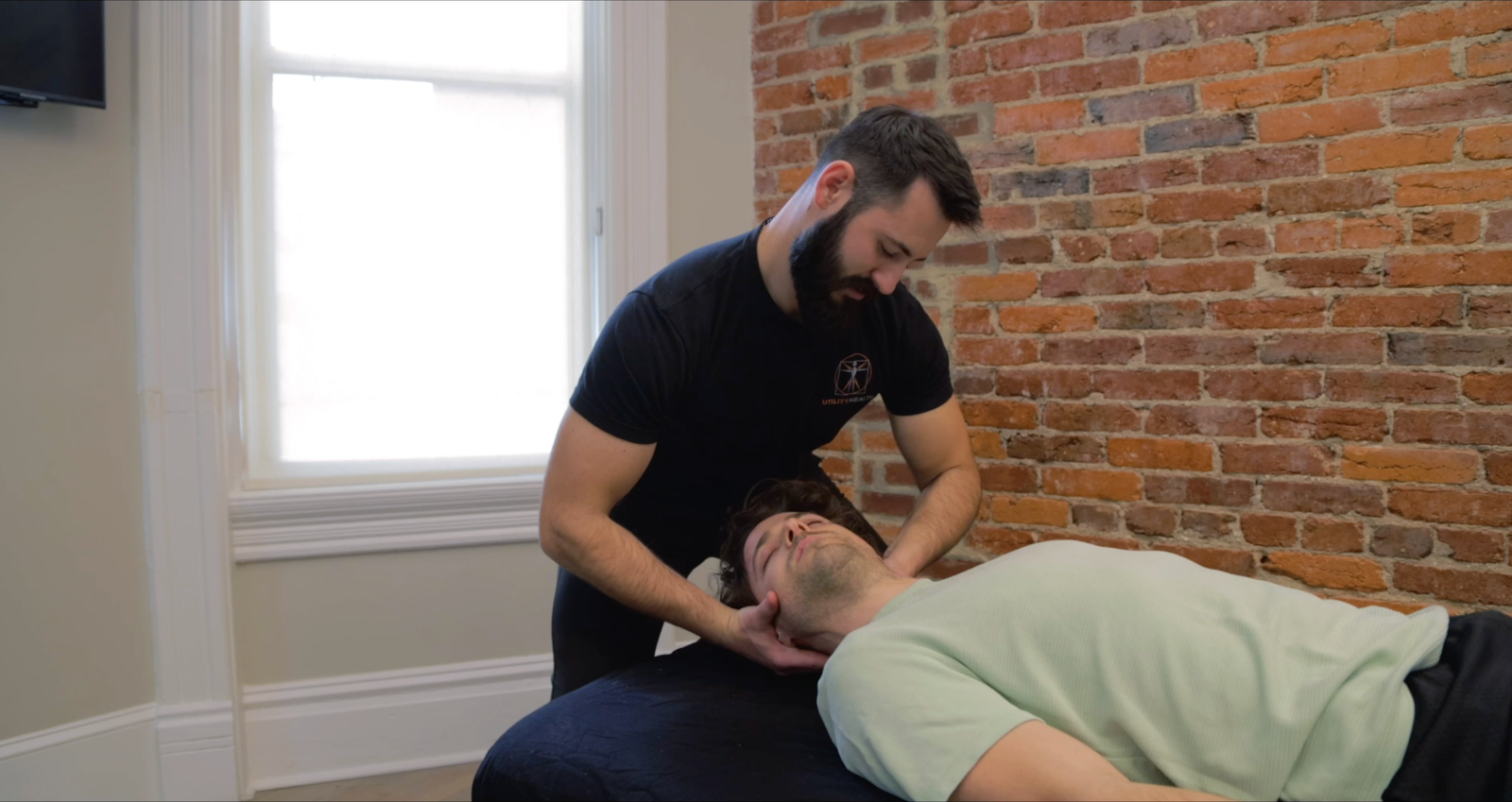
Whether you’re coming back from an injury or trying to stay ahead of one, my 1‑on‑1 physical therapy sessions go beyond the basics. This is fitness‑forward care, where expert assessment, hands‑on treatment, and performance‑focused training come together not just to restore function, but to build a stronger, more resilient you. Forget “back to baseline” – the goal is to help you return to life, work, and training with more confidence than before.
As a licensed Doctor of Physical Therapy and human movement specialist, I take a comprehensive, results‑driven approach. From pain relief and mobility work to long‑term performance and injury risk reduction, each session is tailored to your goals and follows clear, methodical progressions. Through education, manual therapy, and strategic training, we’ll work to address limitations at the root so you can move better, feel stronger, and stay ready for whatever comes next.
Key Benefits
Featured Techniques
Individualized Care. Targeted Relief.
This isn’t a spa massage. I combine clinical bodywork with a deep understanding of movement to help relieve tension, improve function, and support your active lifestyle. Sessions are designed for people who want more than temporary relief and are ready to address what’s really driving their discomfort.
I don’t just apply techniques; I apply the right techniques at the right time, for the right reasons. Each session is grounded in assessment and may draw from myofascial release, trigger point therapy, deep tissue and medical massage, Functional Range Release (FR®), and assisted stretching tailored to your specific needs.
Whether you’re dealing with chronic tightness, stress and tension from a demanding schedule, or you simply want to move and feel better, this strategic, skilled bodywork helps restore balance, ease stress, and support faster recovery so you can get back to doing what you do best.
Key Benefits
Featured Techniques
Invest in Preventive Care
Physical fitness is one of the best protections we have against injury and disease. I design personal training for busy, high‑achieving professionals who want efficient, precise programming that respects their history and pushes them forward safely.
Sessions are tailored to your goals and schedule, whether you need to build strength, improve mobility, enhance endurance, or all three. I use research‑guided programming and smart progressions so your training adapts over time, prevents plateaus, and supports long‑term progress instead of short‑lived bursts.
Every plan follows a “just‑right challenge” approach: enough intensity to make meaningful gains, with the right volume and recovery to avoid unnecessary strain. With clear progress tracking and targeted adjustments, we make sure every session has a purpose and moves you in the right direction.
All of this is delivered in your home or office, with equipment and setups chosen for your space, so you get high‑level training without gym commutes or crowded floors.
Key Benefits
6-Month Movement Checkup
Just like you see your doctor for an annual physical and your dentist twice a year, your movement and joints deserve regular checkups too. Most “physicals” barely touch how you actually move, lift, or live day to day.
At your last annual physical, was there anything actually physical about it?
The Physical Physical is a 6‑month wellness checkup designed to catch issues early and keep you ahead of problems. During this session, we’ll:
Think of it as a tune‑up for your body so you’re not metaphorically driving around with your check‑engine light on.
If you want to stay proactive instead of reactive, this session helps you course‑correct before small issues become bigger problems.
Key Benefits
Functional Range Systems® is a science‑based approach to improving joint health, mobility, and control. I use it with clients who want more than generic stretching – they want stronger, more resilient joints and usable range of motion they can actually control.
Rather than chasing “flexibility” for its own sake, FRS focuses on functional mobility, joint strength, and body control so your joints can handle the demands of real life and training.
The FRS® framework includes:
Key Benefits
I integrate FRS methods into physical therapy, bodywork, and training sessions when they’re the right fit for your goals and current capacity.
Dry needling with electrical stimulation (e‑stim), or DNES, is a targeted way to calm irritated nerves and overactive muscles from the inside out. I use very thin, sterile needles in specific muscles and then apply a gentle electrical current to create controlled, rhythmic contractions.
This combination helps reset how the nervous system is talking to your muscles: reducing excessive tone, improving blood flow, and changing how your brain interprets pain from those areas. It’s not magic, but it’s a powerful tool for easing stubborn tightness and improving mobility.
The real long‑term benefit comes from what we do after the needles come out. I immediately follow DNES with strategic activation and corrective exercises so you don’t just “gain” new range or relief, you learn to own it. That’s how we turn short‑term changes into lasting improvements in how you move and feel.
Sessions are always based on a full assessment, and I only use this method when it makes sense for your body, goals, and medical history.
Key Benefits
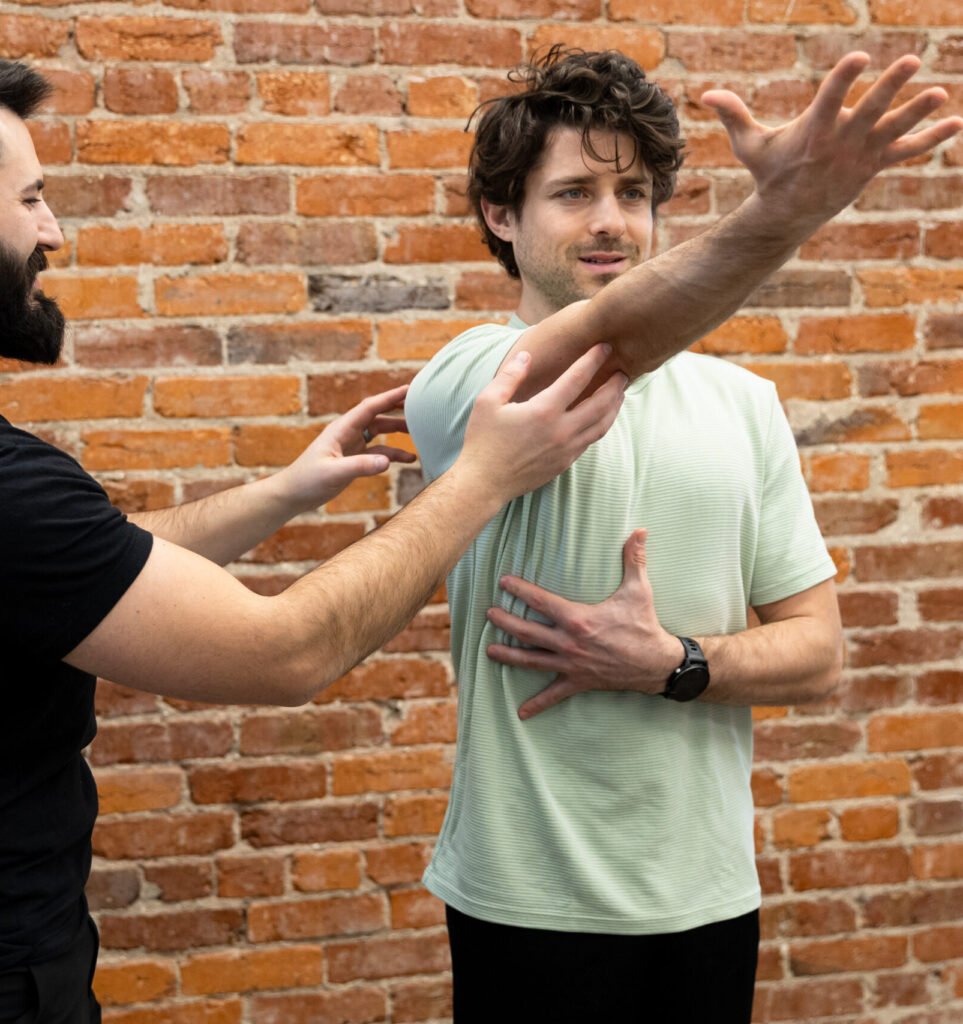
Spinal manipulation and joint mobilization are part of a continuum of manual techniques I use to influence how your joints and nervous system are working together, not to “put things back in place.”
With joint mobilizations, I apply slow, graded movements to a joint to reduce pain, improve capsule mechanics, and gently expand available workspace. With spinal or peripheral manipulations (quick, controlled thrusts), the primary effect is a brief “quick stretch” to the joint capsule that triggers neurophysiologic changes – altering muscle tone, pain perception, and how your brain organizes movement in that area.
Used appropriately, these techniques can help decrease stiffness, improve motion, and make it easier for you to move well. I typically pair them with targeted exercise and movement training so any gains in range or comfort are reinforced and carried into real‑world activities.
Key Benefits
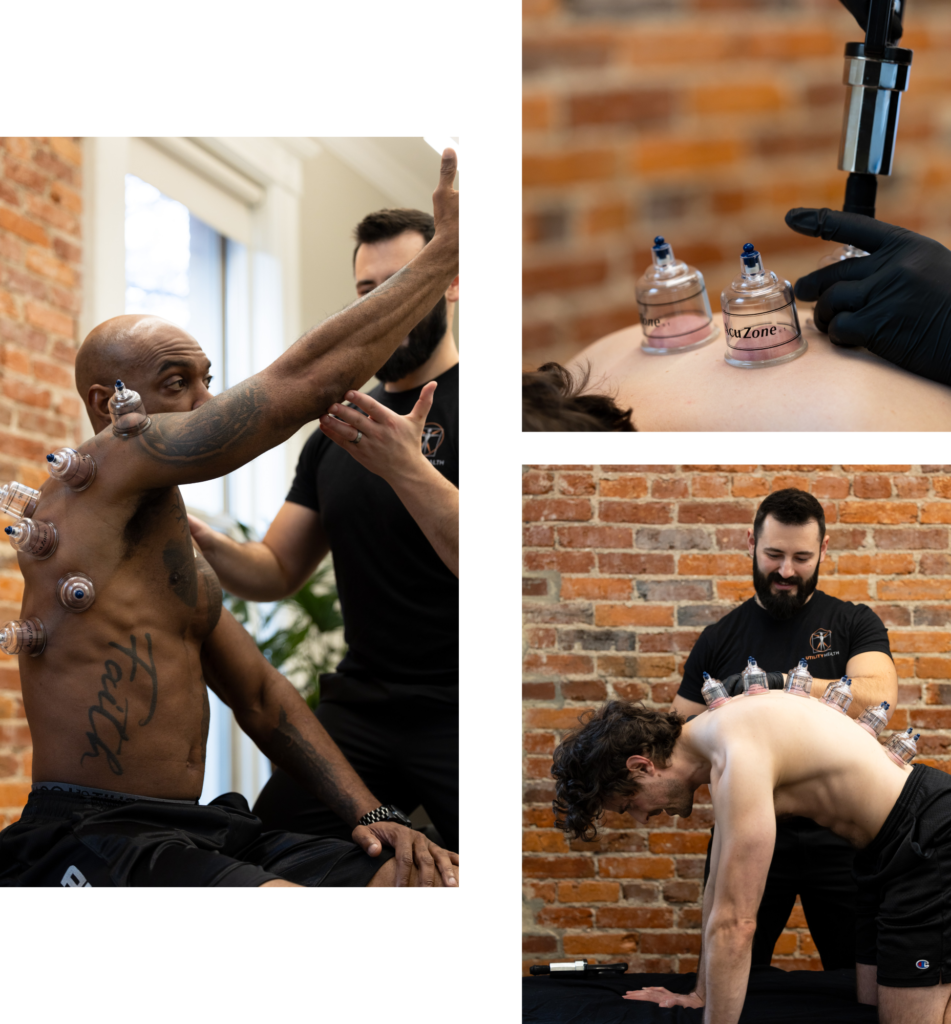
Cupping therapy, also called myofascial decompression, uses gentle negative pressure to lift the skin and underlying fascia, change local blood flow, and influence how your nervous system perceives tension. I use it to help reduce muscle tone, create a sense of space in irritated tissues, and prepare an area for movement work.
For many people, cupping can ease muscle tension, decrease soreness, and make it feel easier to move. I rarely use it alone. It’s usually paired with specific mobility and strength exercises so any short‑term changes in comfort or range are reinforced in how you actually move during the day.
Key Benefits
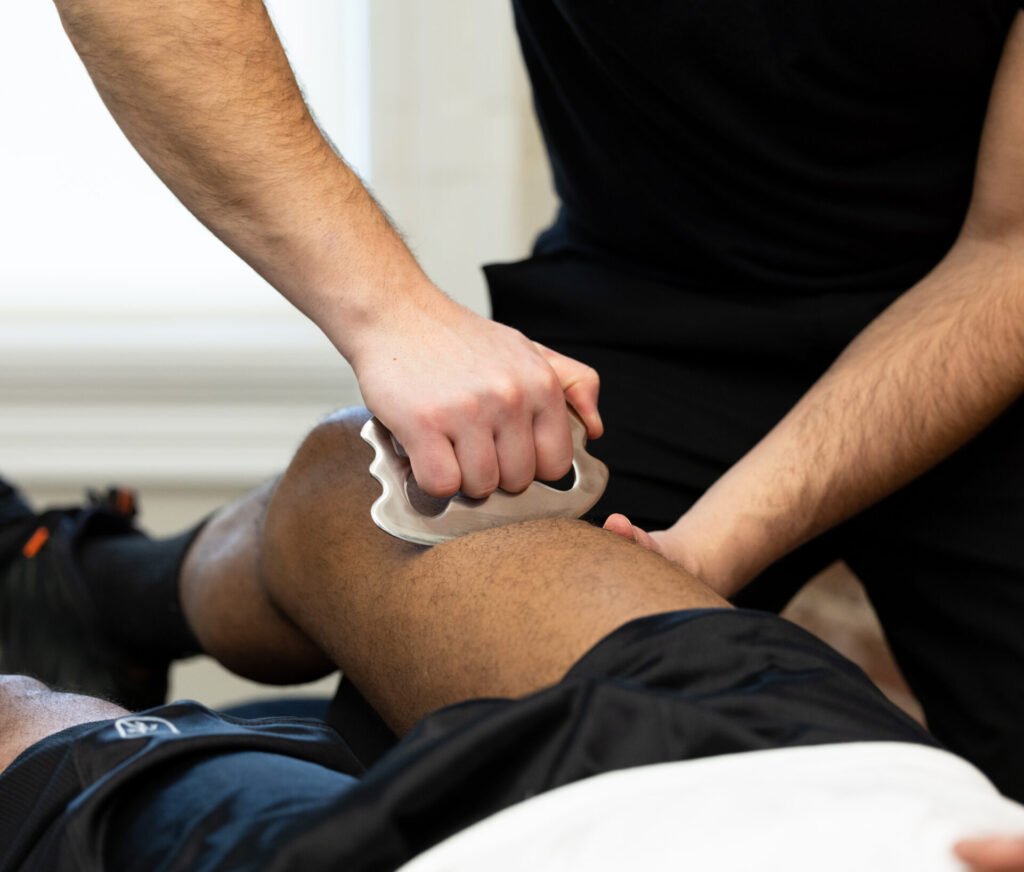
Instrument‑assisted soft tissue mobilization (IASTM) uses specially shaped tools to apply controlled shear and pressure to muscles and fascia. I use it to target areas that feel stiff, sensitive, or restricted so we can change how those tissues and your nervous system are responding.
This kind of input can help decrease muscle tension, alter pain sensitivity, and stimulate the body’s natural healing processes and tissue remodeling in areas of overload, adhesion, or old scar tissue. IASTM is sometimes called “scraping” or “gua sha,” and can include approaches similar to the Graston Technique, but here it’s applied in a clinical, goal‑driven way as part of a broader plan.
I rarely use IASTM by itself. It’s usually paired with specific mobility and strength work so any change in tissue quality or comfort is reinforced through movement and loading.
Key Benefits
Blood flow restriction (BFR) therapy uses specialized cuffs to partially restrict blood flow to a limb while you perform low‑load exercises. This creates a high‑effort stimulus for the muscles at much lighter weights than usual, which can help drive strength and muscle adaptations while placing less stress on your joints.
I use BFR when someone can’t or shouldn’t lift heavy yet – for example during early or mid‑stage rehab, after surgery (when appropriate and cleared), or when joint irritation limits traditional loading. It can also be useful for busy professionals who need efficient, challenging sessions without beating up their bodies.
BFR is always applied based on your medical history, goals, and current capacity, and it’s integrated into a broader strength and rehab plan rather than used in isolation. BFR has been studied extensively in professional athletic, military, and rehab settings and is one of several evidence‑based tools I may use when it fits your situation.
Key Benefits
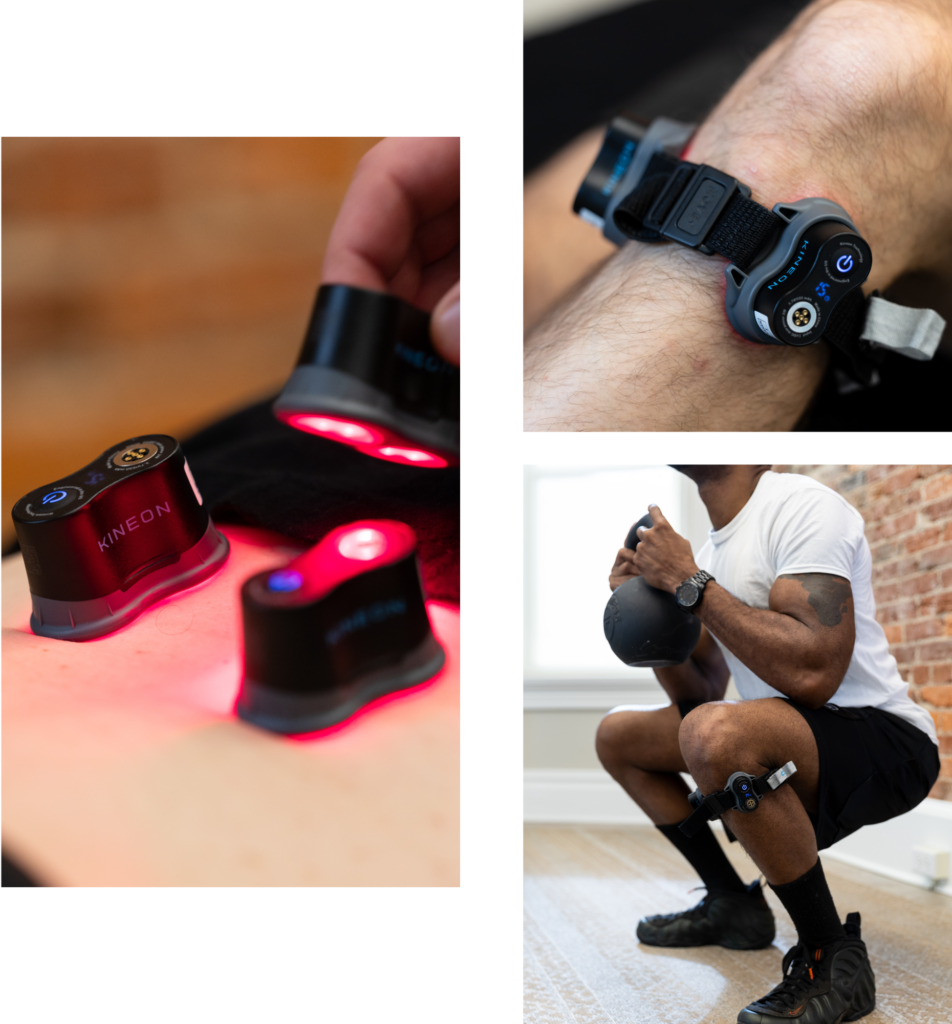
Red and near‑infrared light therapy is a non‑invasive way to influence how your cells produce energy and manage inflammation. Specific wavelengths of light penetrate into skin and muscle tissue, interacting with mitochondria to support ATP production and local circulation.
I use this as a supportive tool for pain, soreness, swelling and recovery, especially when someone is already doing the right things with movement, loading, and sleep. For many people, it can help ease discomfort, reduce a sense of heaviness or fatigue in overworked areas, and support the body’s natural repair processes.
Sessions are simple, comfortable, and typically integrated into a broader treatment or training plan rather than used alone.
Key Benefits
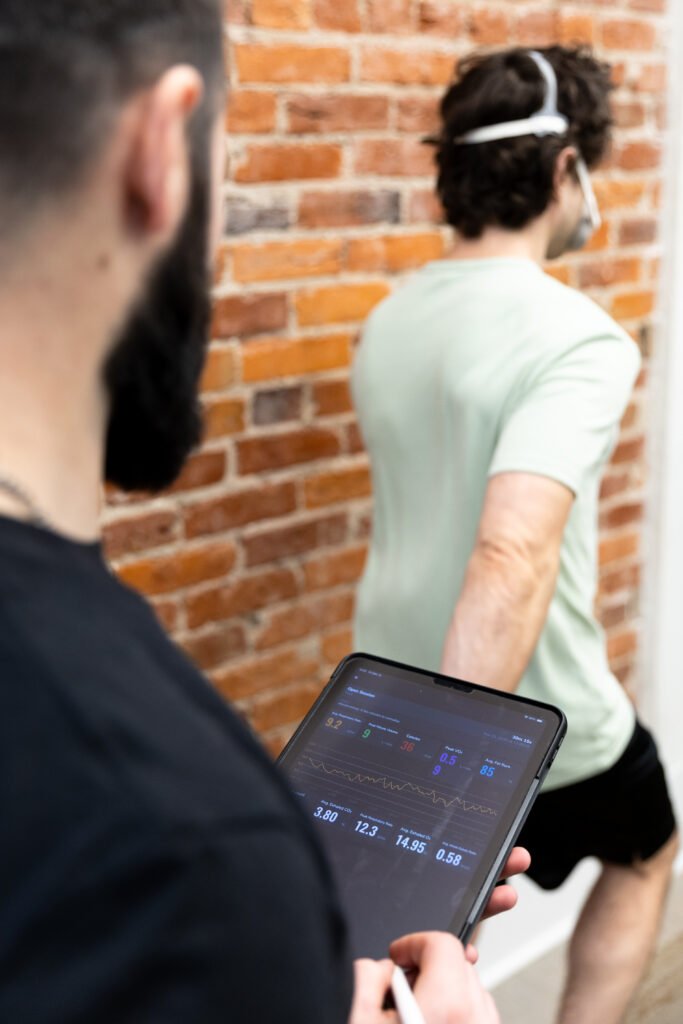
Premium biometric testing lets us move from guessing to knowing how your body responds to exercise, recovery, and nutrition. Using a portable metabolic analyzer based on gold‑standard breath calorimetry, I measure over 20 key metrics, including:
I use a medical‑grade, portable metabolic system similar to those used in high‑performance labs, but brought to your home or office for convenience. This data gives us a clear picture of your current capacity and how hard you can push safely. From there, I can design a more precise plan for training, recovery, and long‑term health so we’re matching the workload to your actual physiology, not just your calendar.
For the right clients, we can also repeat testing over time to see how your capacity, efficiency, and recovery are changing with our work together.
Key Benefits
Check out our FAQ page or schedule a free consultation today.
The information on this page is for educational and informational purposes only and is not a substitute for individualized medical advice, diagnosis, or treatment. The techniques and services described may not be appropriate for every person or condition, and inclusion on this page does not mean they will be recommended or used in your case.
Working with Utility Health, PLLC begins with a formal evaluation; no provider–patient relationship is created by viewing this website. All care plans are based on your specific history, exam findings, goals, and current medical status. Individual results vary, and no specific outcome is guaranteed.
Always seek the advice of your physician or other qualified health provider with any questions you have regarding a medical condition, and before starting or changing any exercise, rehabilitation, or wellness program. If you are experiencing a medical emergency, call 911 or your local emergency services immediately.
Lorem ipsum dolor sit amet, consectetur adipiscing elit. Ut elit tellus, luctus nec ullamcorper mattis, pulvinar dapibus leo.
Lorem ipsum dolor sit amet, consectetur adipiscing elit. Ut elit tellus, luctus nec ullamcorper mattis, pulvinar dapibus leo.